
 Lawrence Alexander
  Matt Button
 Defining the Terms
- Digital marketing: Promoting experiences or services through platforms like websites, social media, email and SEO.
- Place marketing: Promoting a physical location to attract visitors, investment or engagement.
- From posters to platforms: A way of describing the move from traditional, physical promotion to digital-first approaches.
Who This Article is For
This guide is aimed at place managers, councils, developers and marketing professionals looking to improve how their destination is promoted online. Whether you’re just starting out or refining an existing approach, it offers practical insights into what works and why.
As of early 2024, the UK had over 66 million internet users and more than 56 million active social media users. That reach makes digital an essential part of any place strategy*
The Shift from Posters to Platforms
Traditional tools like posters, flyers and local press still have a role to play. But digital channels have brought new capabilities:
- Websites and Listings: Often the first port of call, offering practical information and reasons to visit.
- Social Media: A space to share what’s happening and respond in real time.
- Email and Blogs: Tools for building relationships and offering helpful, localised content.
- Virtual and Interactive Content: Virtual tours, interactive maps and polls bring the experience to life online.
Visitors benefit from easier access to information, more relevant content and the ability to explore a destination before they arrive.
Digital tools offer:
- Up-to-date content and listings
- Interactive experiences that build anticipation
- Tailored messaging based on user interests and location
Roughly 26 percent of responding business-to-consumer (B2C) marketers stated that social media was their primary marketing channels*
What roles does an agency play in digital place marketing?
Digital agencies and consultants play a key role in helping destinations shift from traditional to digital marketing. The best outcomes come from long-term partnerships built on trust and shared purpose. Successful collaboration often includes::
- Strategy development and audience insight
- Content planning and delivery
- SEO and website performance
- Organic social campaign management
- Analytics and regular reporting
- Google analytics and web traffic review
- Social media advertising
- Blog content for SEO and engagement
- Website health checks
- Email campaigns
A well-planned digital approach brings clear and measurable benefits:
- More visibility across search and social
- Higher website traffic and better content engagement
- Better lead generation, from email sign-ups to event bookings
- Improved decision-making using real-time data and audience insights
- Cost efficiency: Lower spend over time compared to large-scale print or media campaigns
- Stronger identity and trust: Built through consistent online presence
- Responsiveness: Easy to update or adapt based on real-time feedback
- Competitive edge: Stronger digital performance can support wider investment or funding goals
A couple of our digital place marketing highlights
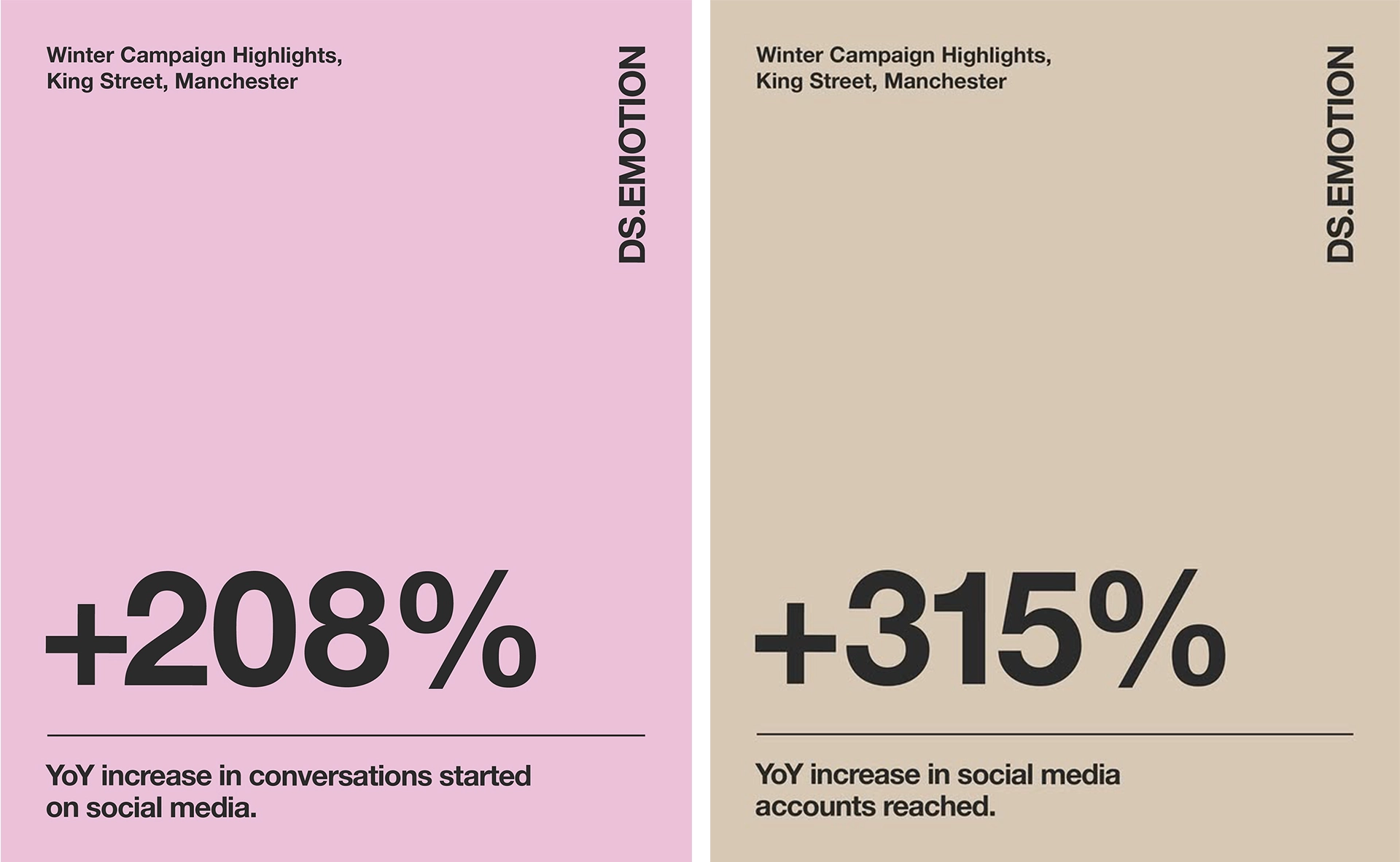
Digital marketing is no longer optional for places. It’s a key part of how destinations are found, explored and talked about.
From day-to-day visibility to long-term growth, digital channels offer tools that are practical, affordable and effective. If you’re looking at how to improve your digital place marketing, now is a good time to take stock. Whether you want to build something from the ground up or refine what’s already in place, having the right advice and support can make a real difference.
We support a range of destinations through strategic and creative digital work. If you’d like to explore how we might support your team, we’re always happy to have a conversation.